


From Protecting Mangroves to Ensuring Credible Implementation
Sustainable Innovation in Practice (SIP)
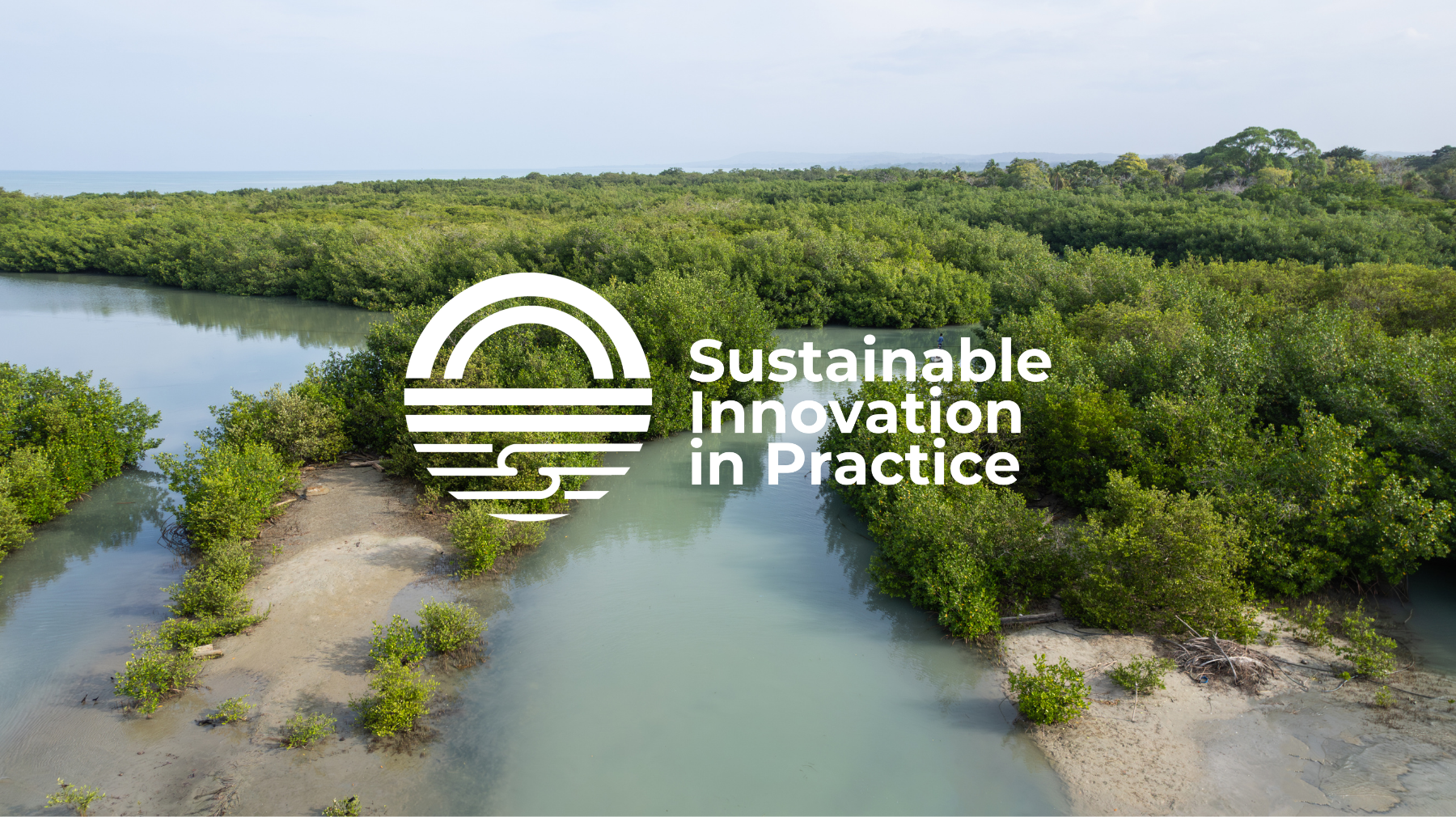
Indonesia is home to roughly 3.45 million hectares of mangroves, representing about 20% of the world’s total, more than any other country on Earth. These forests not only store enormous amounts of blue carbon, but they also hold coastlines together against erosion and storm surges, provide fisheries with breeding grounds, protect biodiversity, and sustain the livelihoods of millions living along the coast. As we commemorate International Mangrove Day this year, it is timely to rethink the idea that protecting mangroves is not just an environmental issue anymore. Instead, it is a strategic asset for climate resilience, economic growth, and food security.
Indonesia has backed this up with the Mangrove Ecosystem Protection and Management Plan or Rencana Perlindungan dan Pengelolaan Ekosistem Mangrove (RPPEM), a 30-year national strategy linking mangrove conservation to climate mitigation, adaptation, and sustainable development. It is recognized as the country’s concrete pathway for meeting commitments under the Paris Agreement, the Nationally Determined Contributions (NDC), the FOLU Net Sink 2030 target, and the national carbon economic value framework. If successfully implemented, RPPEM could sequester around 66 tCO2e per hectare per year, contributing directly to Indonesia’s climate goals. More importantly, it also serves to protect roughly 17,000 km of coastline and support the resilient livelihoods of nearly 50 million people who live there. The framework also opens up economic opportunities, such as sustainable silvofishery, non-timber forest products, ecotourism, and blue carbon initiatives.
The implementation of this work depends on five things coming together. Firstly, coordination has to improve across forestry, fisheries, spatial planning, infrastructure, and pollution control. Beyond that, regional governments need stronger institutional capacity, backed by integrated monitoring and real technical support. Equally important, financing has to come from more than one source: public funds, carbon markets, Payment for Ecosystem Services (PES), Corporate Social Responsibility (CSR), and international climate finance all have a role to play. In addition, coastal communities need to be treated as partners, not bystanders, through participatory planning and transparent benefit-sharing. And none of it holds together without good data, such as standardized monitoring, shared geospatial systems, public dashboards, and honest periodic evaluations.
Perhaps the biggest shift RPPEM represents is a change in what counts as success. It is no longer enough to count seedlings planted. The real question is whether ecosystems have actually recovered, which means evidence-based monitoring, ecological and socio-economic indicators, risk-based supervision, compliance audits, and credible Measurement, Reporting, and Verification (MRV) systems. This is where independent conformity assessment matters most. Accordingly, independent verification, validation, and certification are what make environmental claims trustworthy and what unlock serious blue carbon financing. At Sustainable Innovation in Practice (SIP), we start from a simple premise: sustainability only means something if it is credible. That is why our work in verification, validation, and certification is built around one goal, namely, making sure climate and sustainability initiatives are measurable, transparent, and held to internationally recognized standards. As we mark International Mangrove Day, we are reminded that the future of Indonesia’s mangroves will not be determined by policies or restoration targets alone, but by our collective ability to turn ambition into lasting action. Protecting mangroves requires strong partnerships among governments, local communities, the private sector, researchers, and independent certification and verification bodies to ensure that conservation efforts deliver real and measurable outcomes. By investing in credible implementation, transparent monitoring, and high-integrity blue carbon initiatives, Indonesia has a unique opportunity not only to safeguard one of the world’s most important coastal ecosystems but also to demonstrate global leadership in building a resilient, low-carbon future.