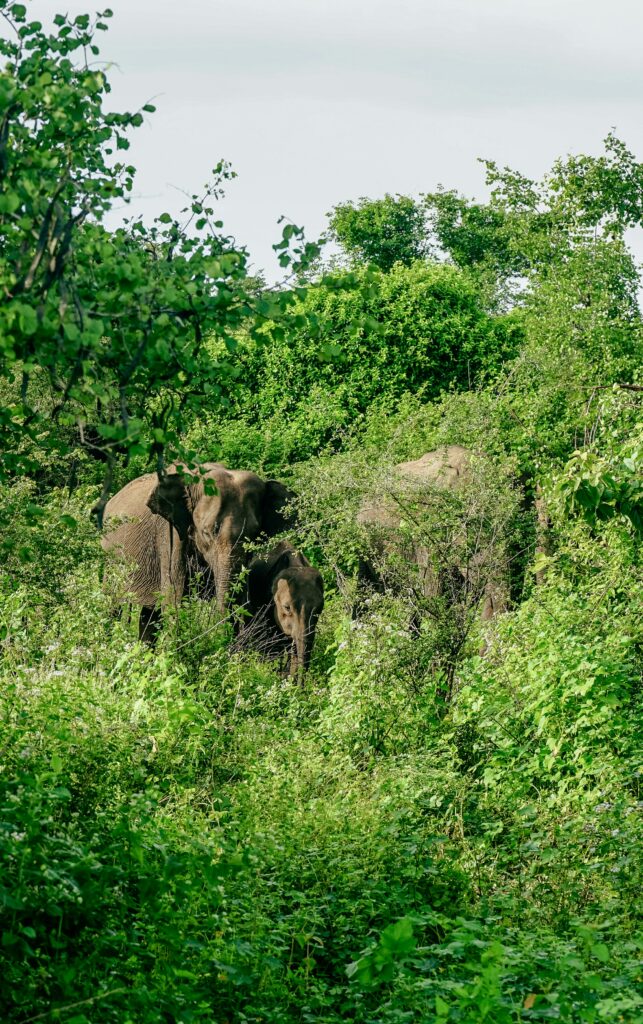
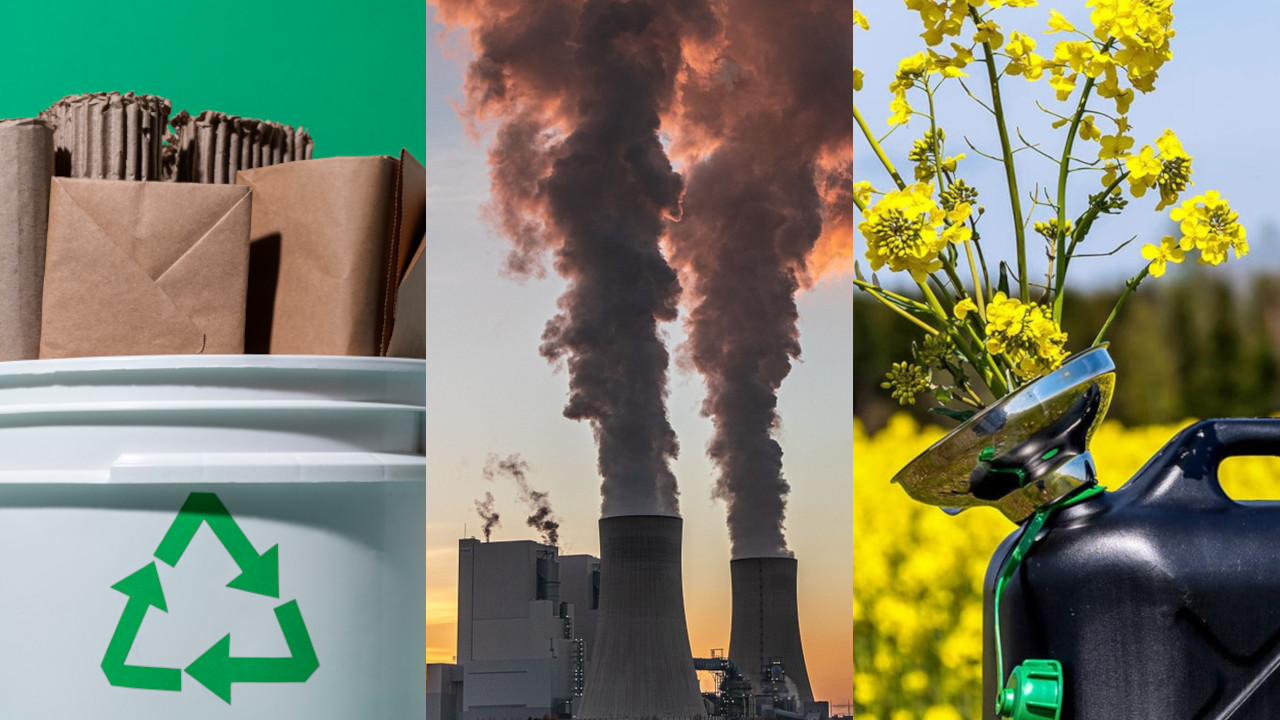
Certification schemes play a key role in helping businesses, projects, and communities meet sustainability goals in carbon, forestry, renewable energy, agriculture, and management systems. They ensure practices align with national and international standards, promoting transparency and climate action. Examples include:
<!– –>
BLUE CARBON
Indonesia holds one of the largest blue carbon assets worldwide, with its extensive mangrove forests, seagrass meadows, and coastal wetlands. These ecosystems play an indispensable role in climate change mitigation as they are able to capture and store large amounts of carbon, which can remain stored for centuries or even millennia.
Apply
–>
<!– –>
MANGROVE RESTORATION
Indonesia is home to roughly 3.45 million hectares of mangroves, representing about 20% of the world's total, more than any other country on Earth. These forests not only store enormous amounts of blue carbon, but they also hold coastlines together against erosion and storm surges, provide fisheries with breeding grounds, protect biodiversity, and sustain the livelihoods of millions living along the coast.
Apply
–>
<!– –>
METHANE EMISSIONS
Methane (CH4) is one of the most potent greenhouse gases and a critical target in efforts to mitigate climate change
Apply
–>
<!– –>
SPEI
Sertifikasi Pengurangan Emisi Indonesia
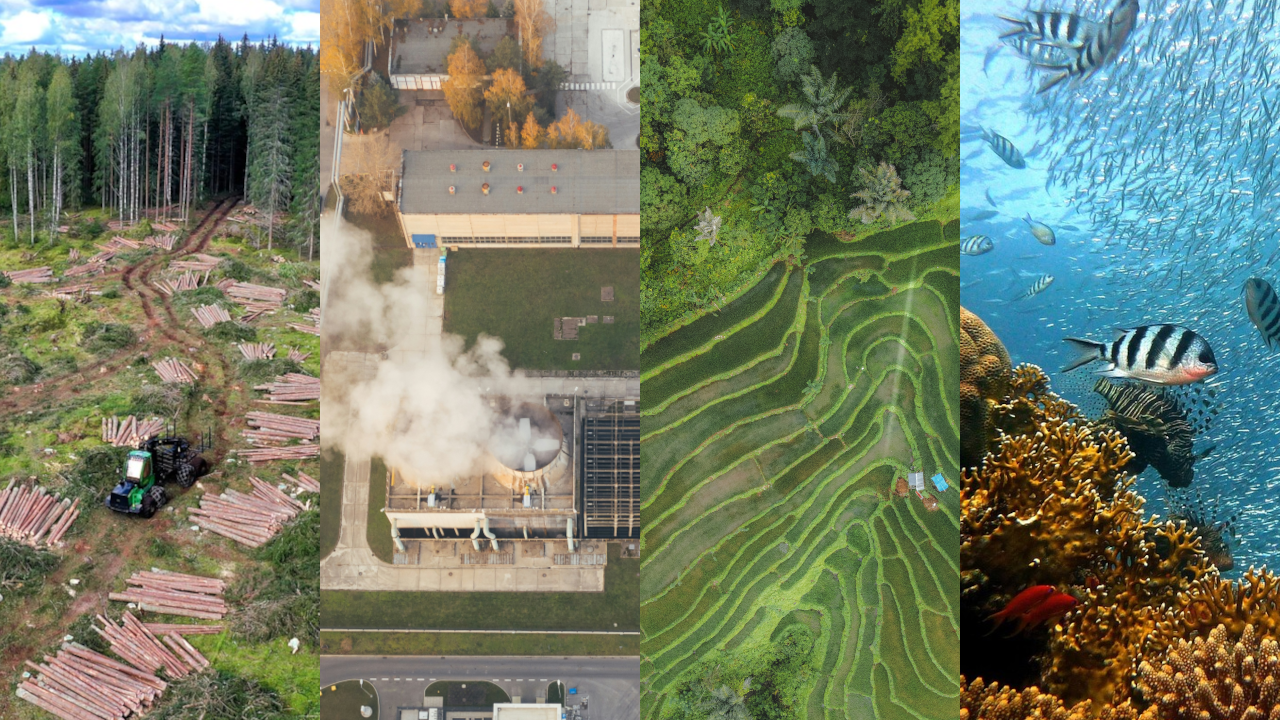
Indonesia's national carbon credit certification system is established to quantify and verify emission reductions from climate projects, support Indonesia's NDC under the Paris Agreement and facilitate domestic carbon trading and international offset mechanisms.
Apply
–>
<!– –>
ISPO
Indonesian Sustainable Palm Oil
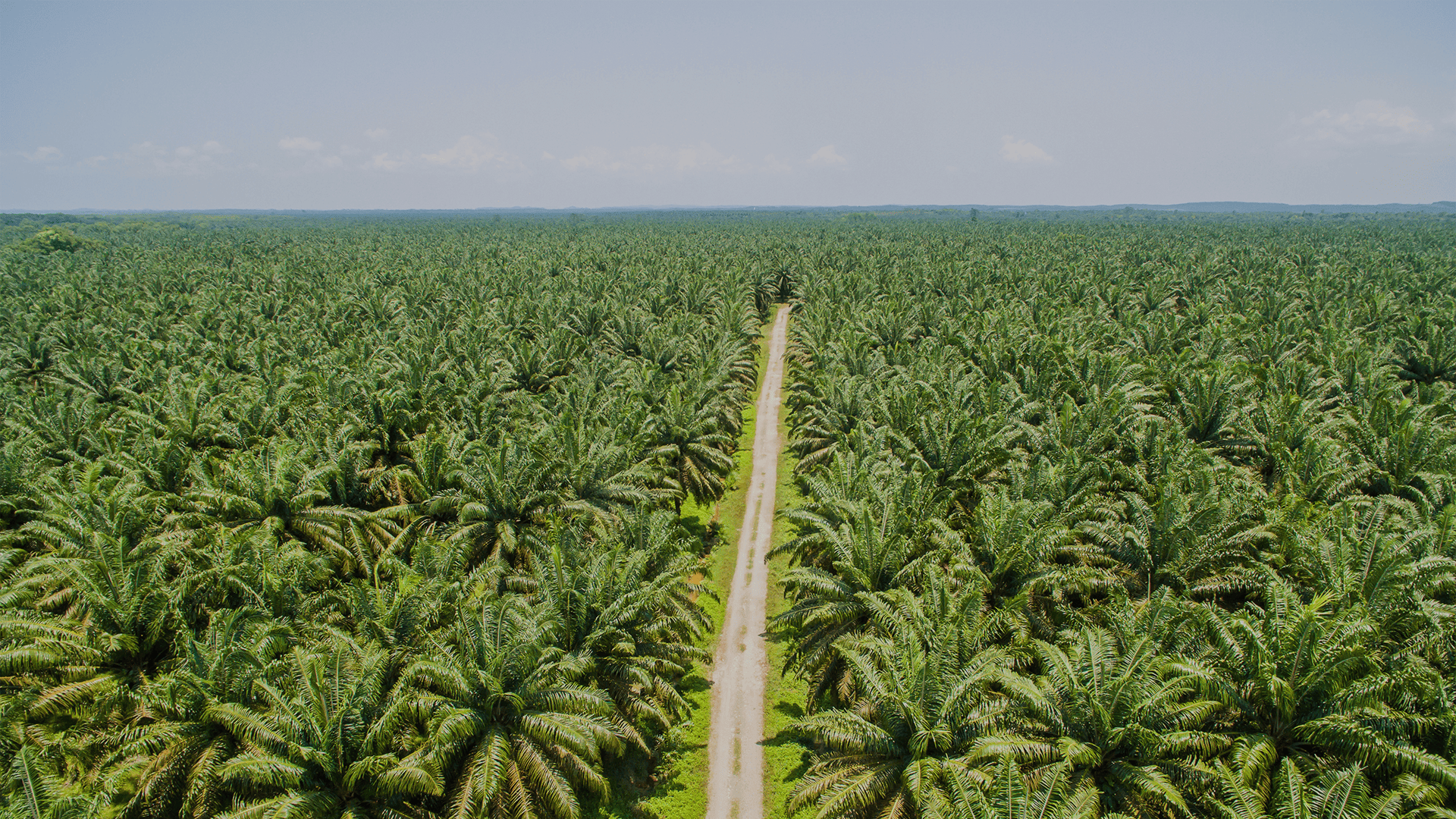
Indonesian Sustainable Palm Oil (ISPO) is a mandatory national certification scheme established by the Indonesian government to ensure palm oil producers comply with legal, environmental, and social sustainability standards.
Apply
–>
<!– –>
SVLK
Sistem Verifikasi Legalitas Kayu
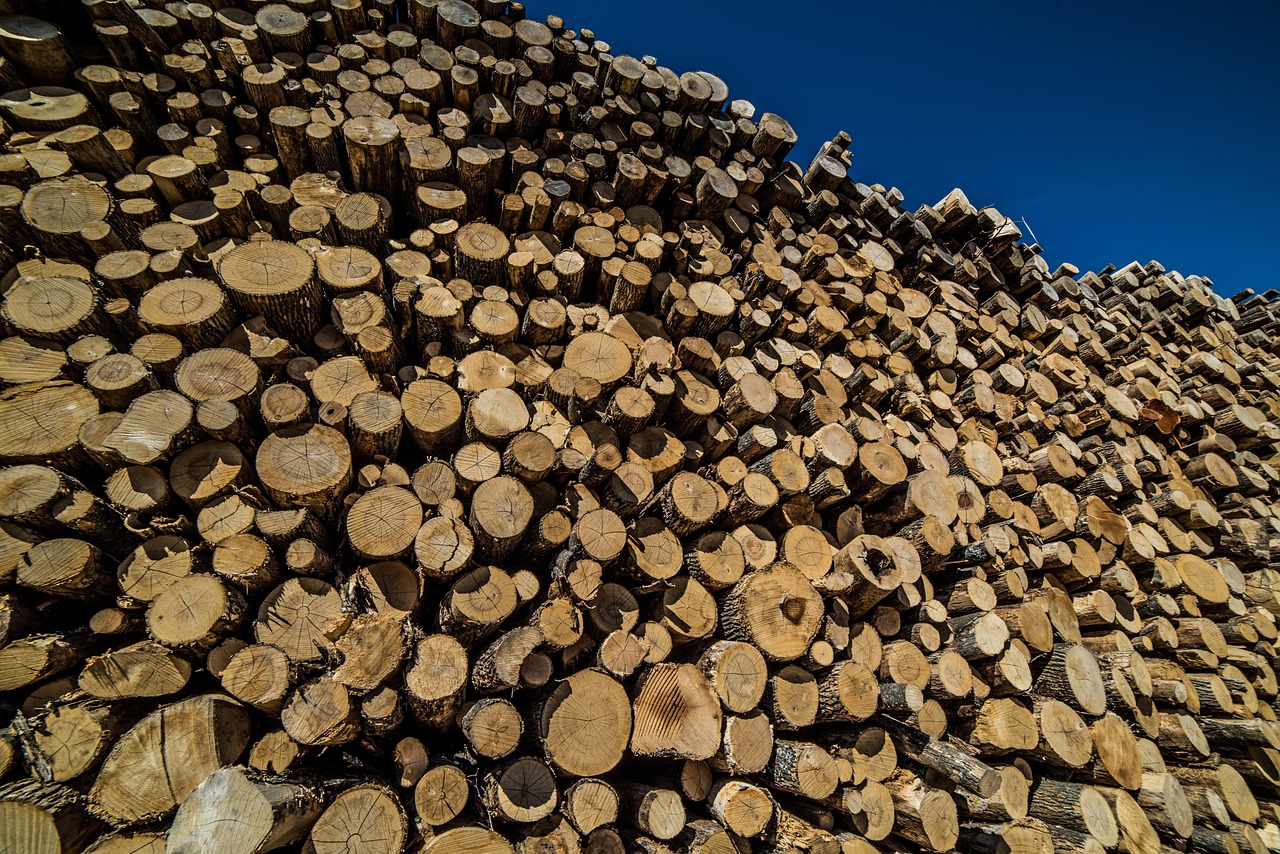
Timber Legality Verification (Sistem Verifikasi Legalitas Dan Kelestarian – SVLK) is an Indonesia mandatory certification ensuring timber and wood products meet legal, sustainable, and traceable sourcing standards.
Apply
–>
<!– –>
HCV
High Conservation Value
High Conservation Value (HCV) is a framework used to identify, manage, and monitor areas of outstanding environmental and social importance within production landscapes. Originally developed by the Forest Stewardship Council (FSC), the HCV concept is now widely applied across forestry, agriculture, and land-use sectors to ensure responsible management and sustainability.
Apply
–>