


High Conservation Value (HCV) is a framework used to identify, manage, and monitor areas of outstanding environmental and social importance within production landscapes. Originally developed by the Forest Stewardship Council (FSC), the HCV concept is now widely applied across forestry, agriculture, and land-use sectors to ensure responsible management and sustainability.
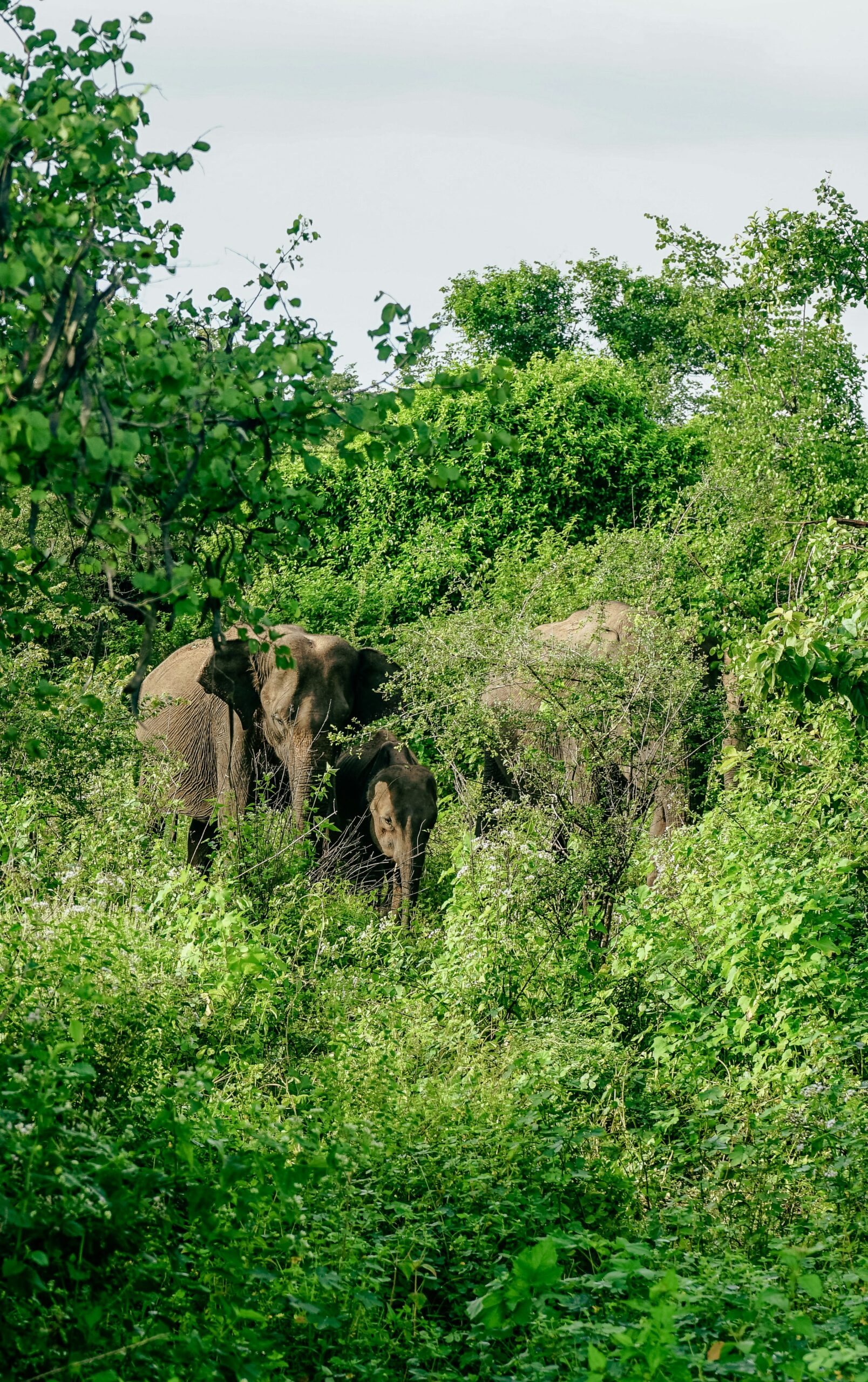
HCV areas may include critical habitats for biodiversity, ecosystems that provide essential environmental services, or areas that hold cultural significance for local communities.
Goals of the HCV Framework
The primary objectives of the HCV approach are to:
- Protect areas with exceptional ecological, environmental, or social value.
- Integrate conservation into land-use planning and development.
- Promote sustainable and ethical resource management.
- Prevent deforestation, biodiversity loss, and social harm in high-risk landscapes.
Who Needs HCV Assessment?
HCV assessments are particularly relevant for:
- Companies developing or managing forestry or agricultural plantations (e.g. palm oil, timber, pulp & paper).
- Landowners seeking to develop land sustainably and responsibly.
- Companies applying for sustainability certification such as RSPO and FSC.
- Organizations engaged in carbon projects or climate-related initiatives requiring land-use safeguards.
If your company is operating in or expanding into ecologically or socially sensitive areas, HCV assessments are not just recommended—they are essential.