


Certification schemes play a key role in helping businesses, projects, and communities meet sustainability goals in carbon, forestry, renewable energy, agriculture, and management systems. They ensure practices align with national and international standards, promoting transparency and climate action. Examples include:
SPEI
Sertifikasi Pengurangan Emisi Indonesia
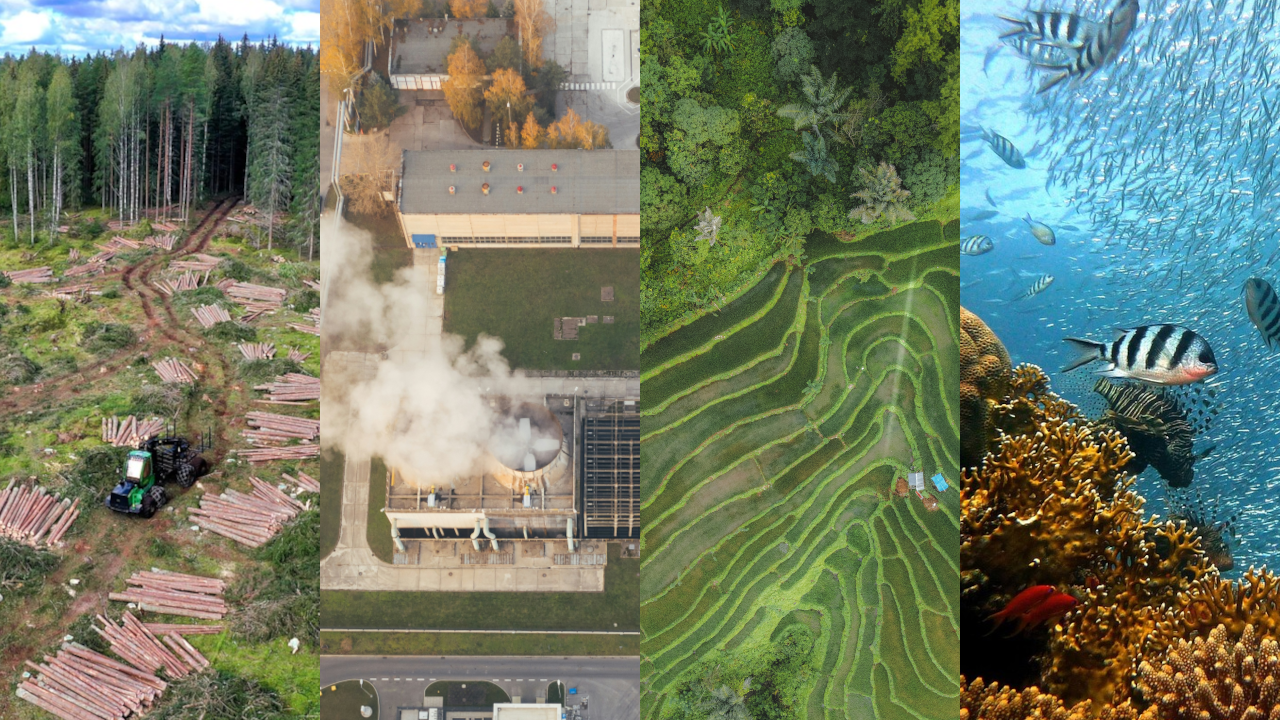
Indonesia's national carbon credit certification system is established to quantify and verify emission reductions from climate projects, support Indonesia's NDC under the Paris Agreement and facilitate domestic carbon trading and international offset mechanisms.
ISPO
Indonesian Sustainable Palm Oil
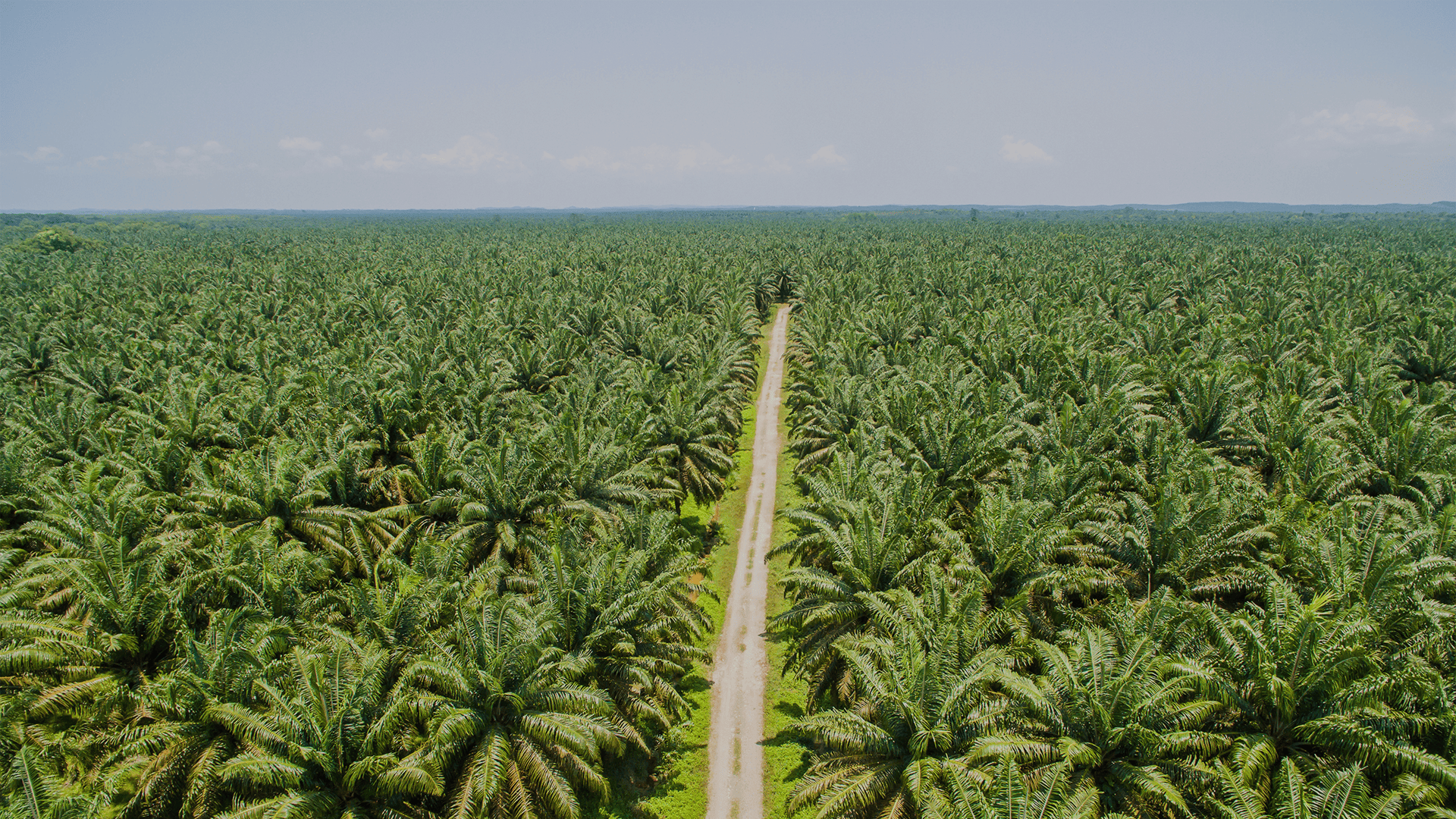
Indonesian Sustainable Palm Oil (ISPO) is a mandatory national certification scheme established by the Indonesian government to ensure palm oil producers comply with legal, environmental, and social sustainability standards.
SVLK
Sistem Verifikasi Legalitas Kayu
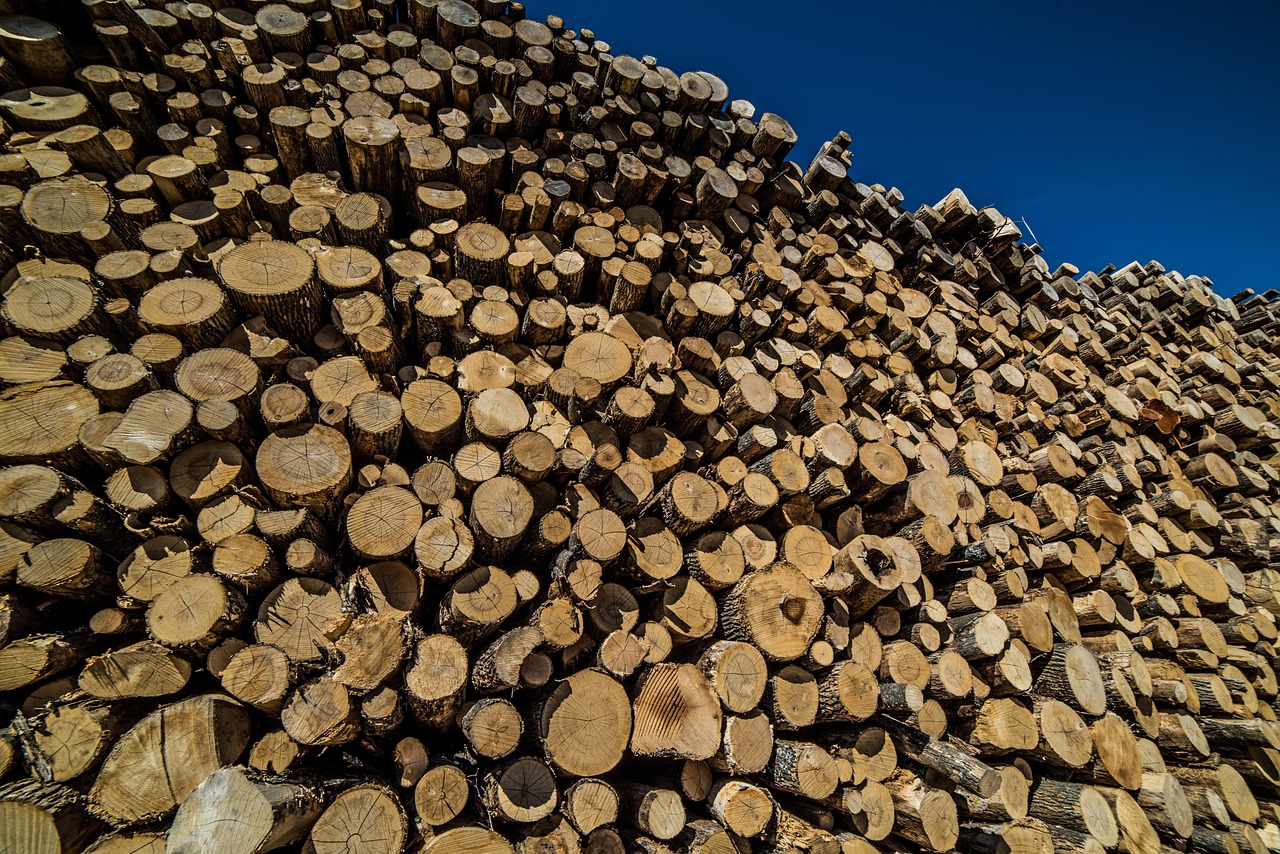
Timber Legality Verification (Sistem Verifikasi Legalitas Dan Kelestarian – SVLK) is an Indonesia mandatory certification ensuring timber and wood products meet legal, sustainable, and traceable sourcing standards.
GGL
Green Gold Label
Green Gold Label (GGL) is an international certification system that verifies the sustainable production and processing of biomass materials (including agricultural residues, energy crops, and forestry biomass) according to environmental, social, and economic sustainability criteria.

ISCC
International Sustainability and Carbon Certification
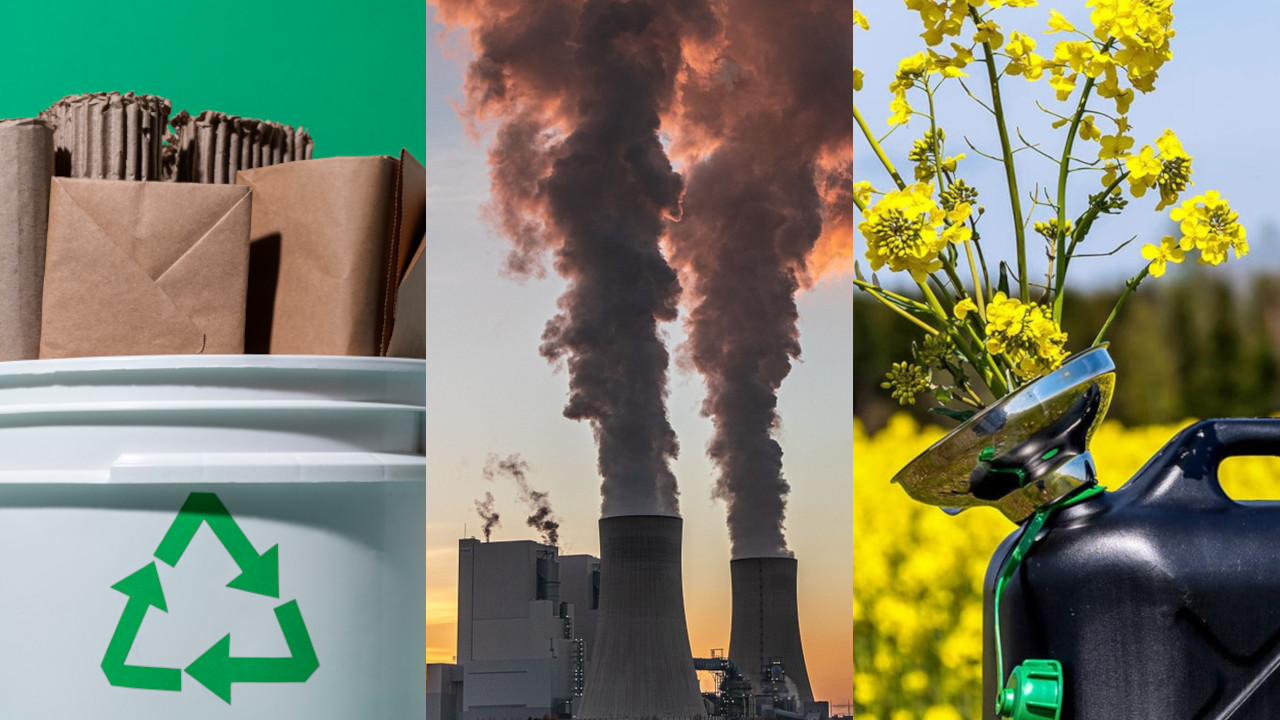
ISCC (International Sustainability & Carbon Certification) is a leading certification system covering: Biofuels & Biomass (EU RED II compliance), Biogenic & Circular Materials (plastics, chemicals), Carbon Footprint & Emissions Reduction (GHG verification).
HCV
High Conservation Value
High Conservation Value (HCV) is a framework used to identify, manage, and monitor areas of outstanding environmental and social importance within production landscapes. Originally developed by the Forest Stewardship Council (FSC), the HCV concept is now widely applied across forestry, agriculture, and land-use sectors to ensure responsible management and sustainability.

FSC
Forest Stewardship Council
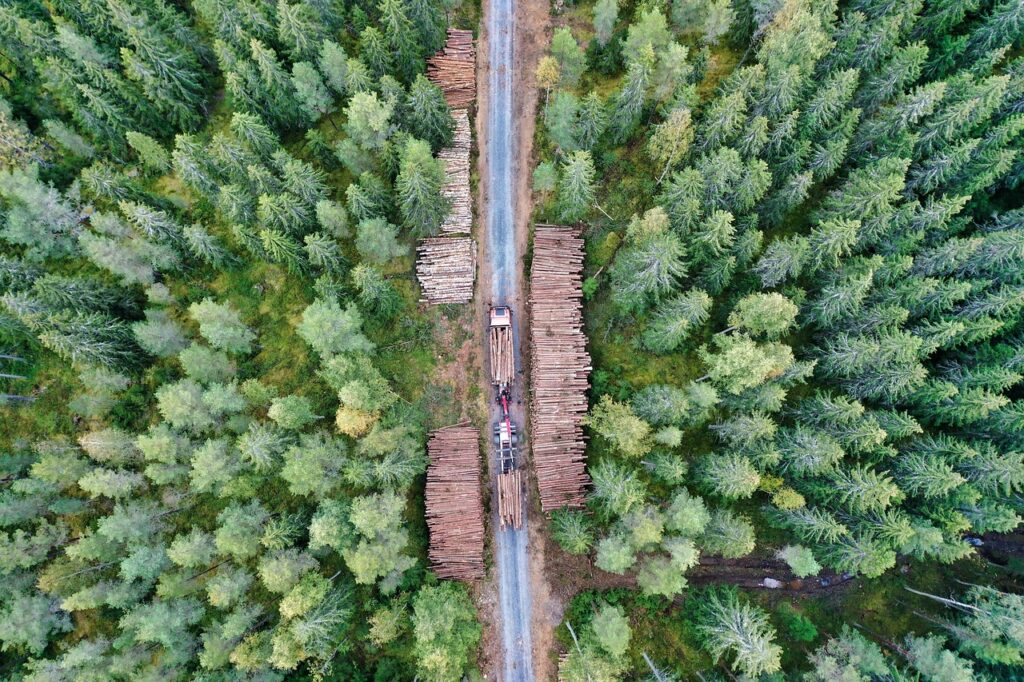
Forest Stewardship Council (FSC) is a globally recognized, non-profit organization that sets standards for responsible forest management. FSC certification ensures that forests are managed in ways that preserve biodiversity, respect the rights of workers and local communities, and promote economic sustainability.
VERRA
Verra is a leading non-profit organization that develops and manages global standards for climate action and sustainable development. The most widely recognized among Verra’s programs is the Verified Carbon Standard (VCS), which sets the benchmark for certifying carbon emission reduction projects around the world.