



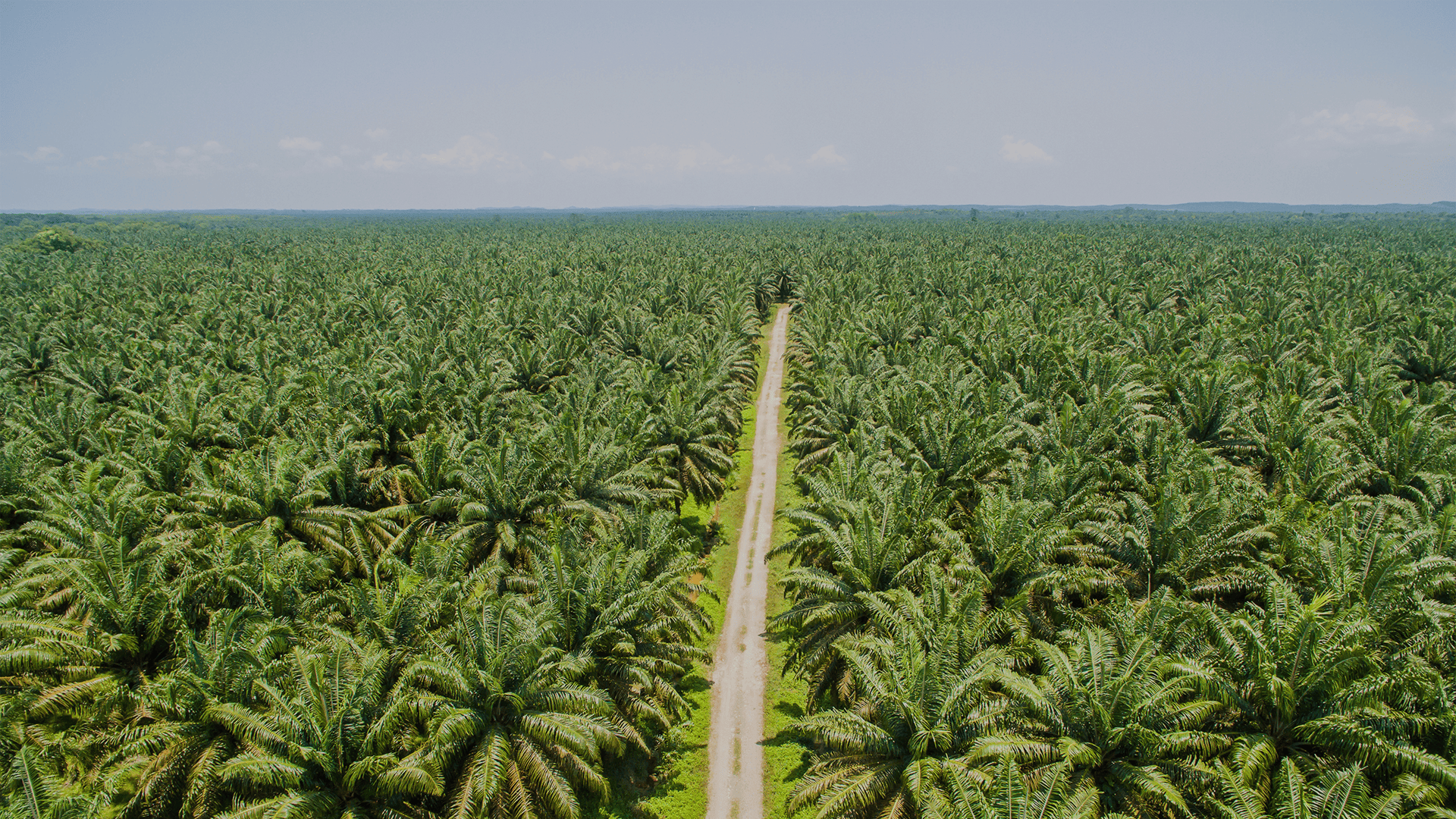
Indonesian Sustainable Palm Oil (ISPO) is a national certification scheme initiated by the Government of Indonesia to ensure that palm oil production in the country adheres to sustainable practices that are legally compliant, environmentally sound, and socially responsible. ISPO is designed to enhance the global competitiveness of Indonesian palm oil, improve sustainability performance, and support Indonesia’s commitment to reducing greenhouse gas emissions and achieving the Sustainable Development Goals (SDGs).
ISPO is mandatory for all oil palm growers operating in Indonesia, both large-scale plantation companies and smallholders. The system was developed through a multi-stakeholder process involving government bodies, palm oil associations, civil society, and academic institutions, ensuring that it reflects national priorities while aligning with international sustainability principles.
ISPO certification requires compliance with several core principles, including legal land tenure and operations, implementation of best agricultural practices, environmental protection (including peatland and biodiversity conservation), respect for human rights, fair labor practices, and community empowerment. Certified palm oil under ISPO must not be produced on land with high conservation value, primary forest, or areas that are legally protected or environmentally sensitive.
Standards and Guidelines
- Ministry of Agriculture Regulations: Technical guidelines for implementation (e.g., Perma No. 38/2020 on ISPO Standards).
- Minister of Environment and Forestry Regulation No. P.1/2021 on Forest Area Use (for non-forestry) : Legality of Land Use.
- Plantation Law (No. 39/2014): Requires sustainable practices and land legality.