



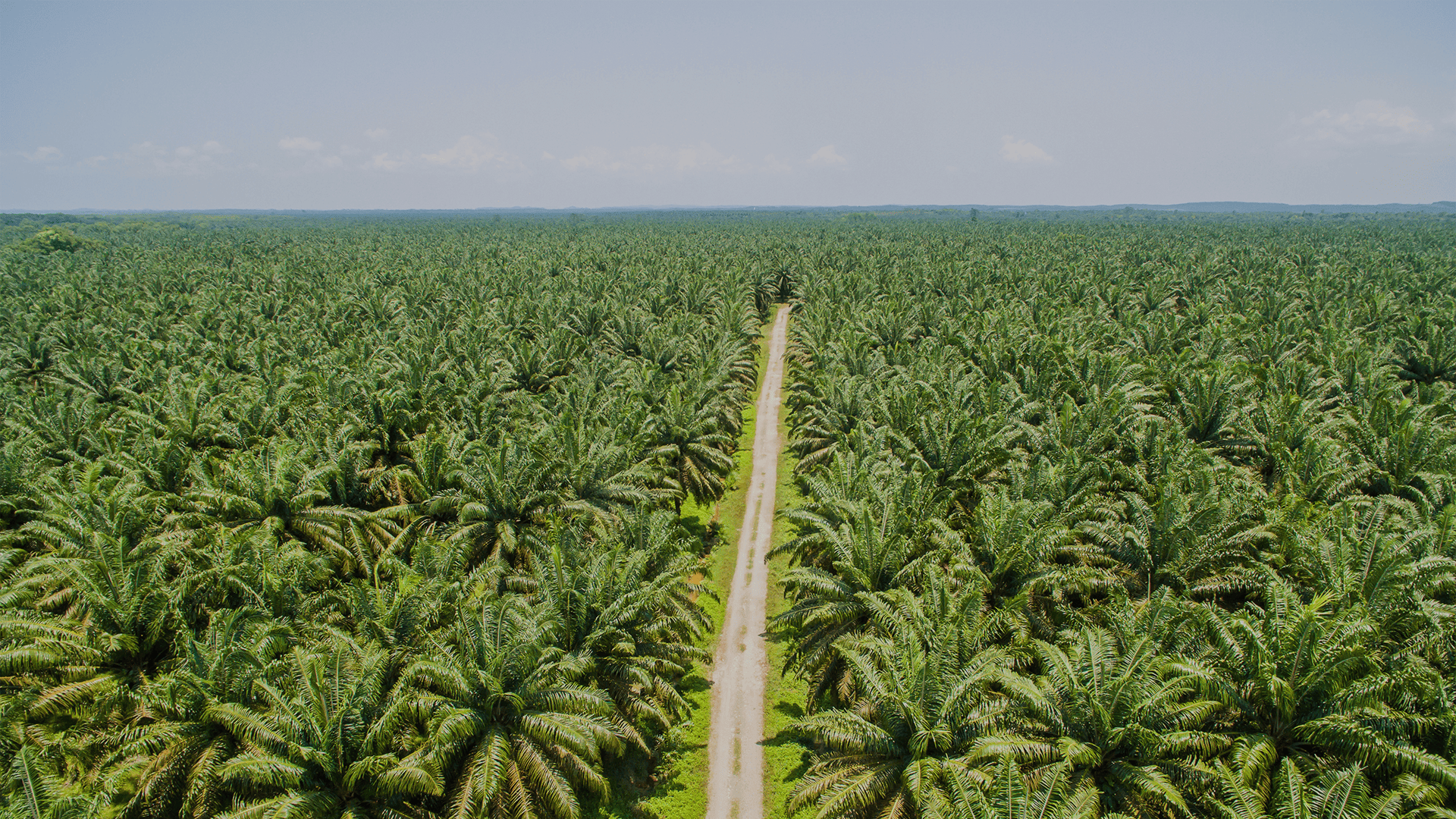
Indonesia is the world’s largest producer of palm oil, making the industry a vital contributor to the national economy and the livelihoods of millions of people. At the same time, growing global attention to environmental protection and responsible sourcing has increased the demand for sustainable palm oil production. To address these challenges, the Government of Indonesia established the Indonesian Sustainable Palm Oil (ISPO) certification system.
ISPO is a mandatory national certification scheme designed to ensure that palm oil production in Indonesia is carried out legally, responsibly, and sustainably. Through ISPO, Indonesia seeks to strengthen the competitiveness of its palm oil industry, improve environmental and social performance, and support national commitments to reducing greenhouse gas (GHG) emissions and achieving the Sustainable Development Goals (SDGs).
A Mandatory Standard Built Through Collaboration
Unlike many international sustainability certifications that are voluntary, ISPO is compulsory for all oil palm growers operating in Indonesia. This includes state-owned plantations, private companies, and independent smallholders.
The development of ISPO involved extensive collaboration among various stakeholders, including government institutions, palm oil industry associations, academics, and civil society organizations. This multi-stakeholder approach helps ensure that the standard reflects Indonesia’s national priorities while remaining aligned with internationally recognized sustainability principles.
Key Principles of ISPO Certification
To obtain ISPO certification, palm oil producers must demonstrate compliance with a set of core sustainability requirements covering legal, environmental, social, and economic aspects of plantation management.
One of the fundamental commitments of ISPO is the prohibition of oil palm cultivation in High Conservation Value (HCV) areas, primary forests, and legally protected or environmentally sensitive ecosystems.
The certification framework is built around five key pillars:
1. Legal Compliance and Land Tenure
Growers must operate on legally recognized land, possess valid permits, and ensure that plantation activities are free from unresolved land disputes. Clear land tenure and regulatory compliance are essential foundations of sustainable plantation management.
2. Good Agricultural Practices (GAP)
ISPO promotes efficient and responsible plantation management practices, including proper harvesting techniques, soil and water conservation, and the appropriate use of fertilizers and pesticides to improve productivity while minimizing environmental impacts.
3. Environmental Management
Certified growers are required to protect biodiversity, manage waste responsibly, safeguard peatland ecosystems, and strictly prohibit the use of fire for land clearing. These measures contribute to reducing environmental degradation and preserving Indonesia’s natural resources.
4. Labor Rights and Worker Welfare
ISPO emphasizes respect for human rights and fair labor practices. Companies must provide safe working conditions, fair wages, and adequate occupational health and safety measures. The use of child labor and forced labor is strictly prohibited.
5. Community Development and Social Responsibility
Sustainable palm oil production should also generate positive benefits for surrounding communities. ISPO encourages meaningful engagement with local stakeholders, respect for customary and indigenous rights, and peaceful resolution of land-related conflicts.
Increasing Importance in the Global Market
As global markets introduce stricter sustainability requirements, ISPO plays an increasingly important role in demonstrating that Indonesian palm oil is produced responsibly. Regulations such as the European Union Deforestation Regulation (EUDR) have heightened expectations for traceability, legality, and deforestation-free supply chains.
Through continuous improvements in governance, audit quality, and transparency, ISPO is strengthening its credibility both domestically and internationally. The certification system not only supports market access for Indonesian palm oil but also contributes to the long-term protection of tropical forests, biodiversity conservation, and sustainable economic development.
Looking Ahead
ISPO represents Indonesia’s commitment to balancing economic growth with environmental stewardship and social responsibility. By ensuring that palm oil production follows sustainable practices, ISPO serves as a key instrument for protecting natural resources, improving livelihoods, and securing the future competitiveness of Indonesia’s palm oil sector in an increasingly sustainability-focused world.
Standards and Guidelines
- Ministry of Agriculture Regulations: Technical guidelines for implementation (e.g., Permentan No. 33/2025 on ISPO Standards).
- Minister of Environment and Forestry Regulation No. P.1/2021 on Forest Area Use (for non-forestry) : Legality of Land Use.
- Plantation Law (No. 39/2014): Requires sustainable practices and land legality.
- Presidential Regulation No. 16 of 2025 on the Indonesian Sustainable Palm Oil Certification System (Perpres No.16 Tahun 2025).